
From concept to fleet-wide impact: the R&D journey behind Cathelco’s DragGone system
Every successful marine technology has a story behind it, usually one that includes equal parts curiosity, persistence, and real-world learning.
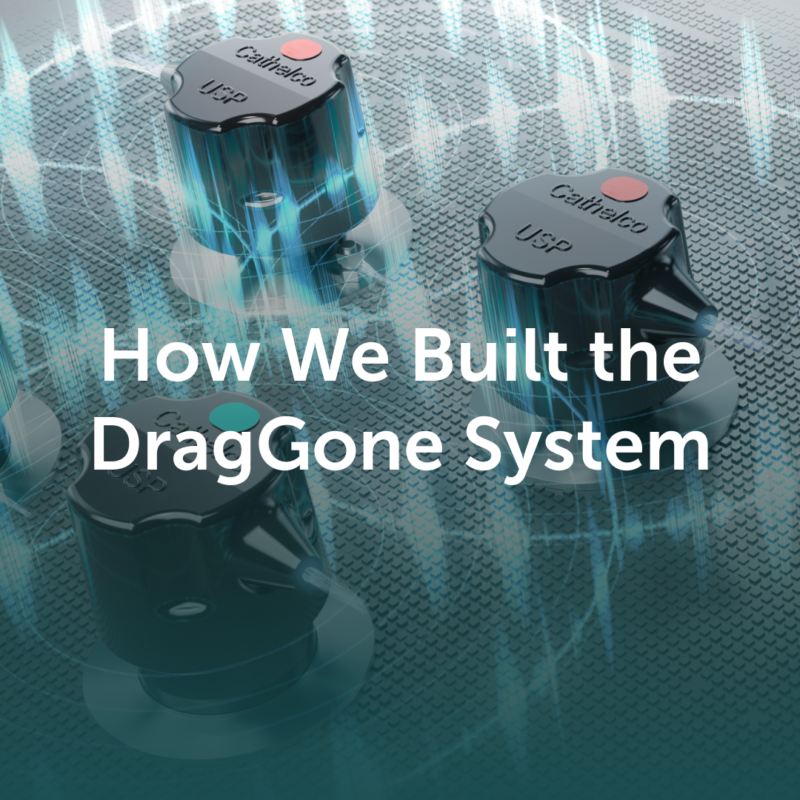
For Cathelco, the DragGone system began as an internal “CleanShip” initiative: a practical idea with a clear goal, reduce hull and propeller drag in a way that translates into lower fuel consumption, fewer emissions, and reduced risk of transferring invasive species. Like most new systems, the journey from first principles to repeat installations wasn’t a straight line. It was a development path with setbacks, breakthroughs, and a growing sense of confidence as testing, customer feedback, and independent verification began to align.
Proving the principle: guided waves and heterodyning
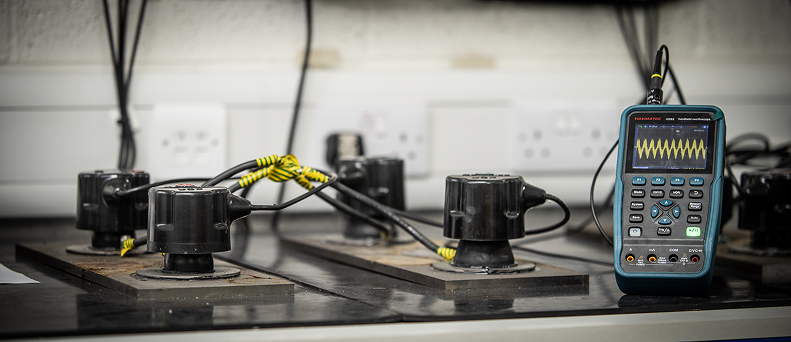
In the earliest stage, the team focused on answering a simple but critical question: can we reliably deliver energy where it needs to go to influence the fouling and drag mechanisms we’re targeting, without creating unintended side effects for the vessel or its surroundings? That meant structured testing to verify the underlying concept, including work around guided wave behaviour and heterodyning effects. These weren’t “marketing terms” in a slide deck; they were engineering realities that had to be measured, repeated, and understood. Early trials helped define what was feasible, what needed refinement, and what assumptions had to be challenged before anything could be taken from a bench environment to a ship.
In-house prototypes: homemade, hands-on, and honest
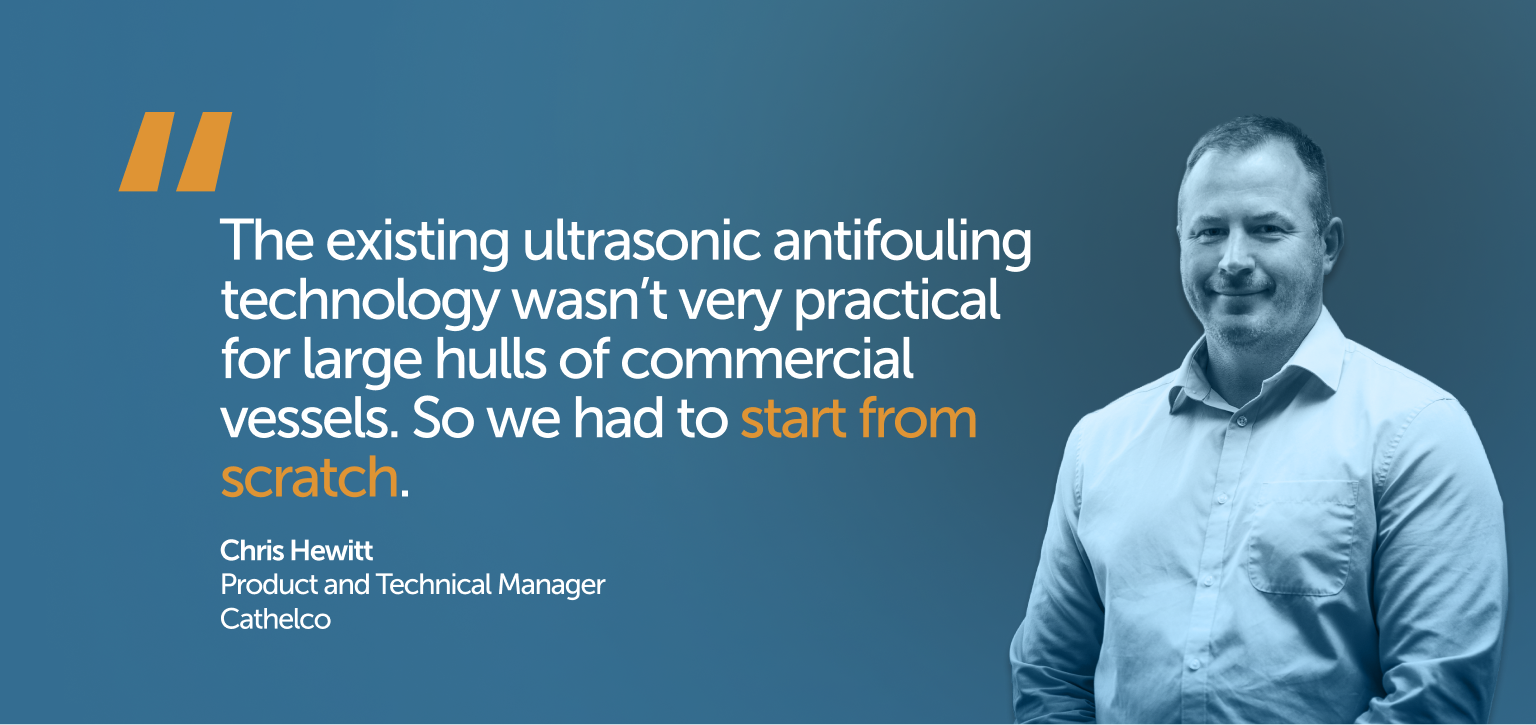
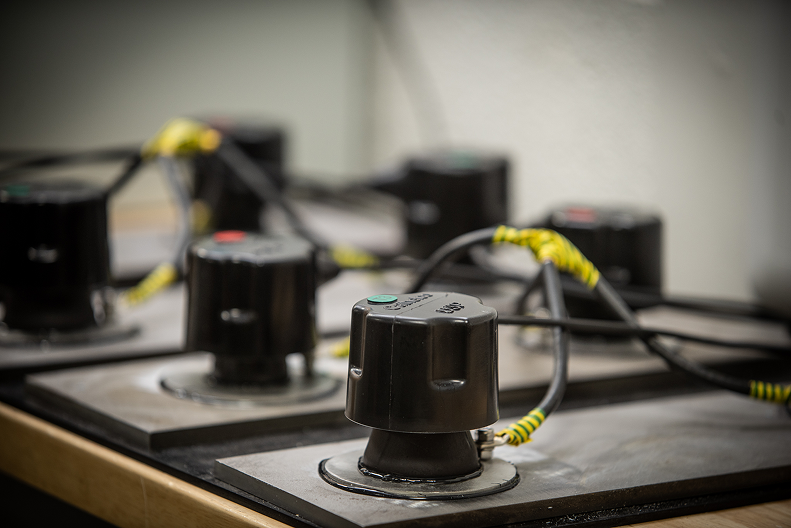
With the principle established, progress depended on getting practical. Much of the early product development happened in-house, where “prototype” really did mean homemade: built, modified, stripped down, and rebuilt again. Some iterations worked immediately; others failed in ways that were frustrating at the time but invaluable in hindsight. Each failure revealed something: a limitation in mounting approach, an unexpected interaction with materials, a performance constraint, or a reliability issue that could become critical offshore. That cycle of trial, learning, and redesign is what turned a promising concept into a system robust enough for marine conditions and maintainable by crews who need equipment to be dependable, not delicate.
The first real-world milestone: installation in Canada
A defining moment in the DragGone story was the first installation, completed in Canada. That step matters because shipboard reality is the ultimate test environment: space is limited, schedules are fixed, access can be challenging, and the system must integrate safely with existing operations. Commissioning the first unit highlighted where installation guidance needed tightening, what onboard stakeholders cared about most, and how the technology behaved over time rather than just during short trials. The lessons from that first project fed directly back into design improvements and helped establish the installation and operational expectations that later customers would depend on.
Independent verification and environmental considerations
As the system matured, third-party testing became an essential part of proving performance and building confidence beyond internal results. Independent verification is especially valuable in the marine sector, where operators need to justify decisions with evidence and where performance claims must stand up to scrutiny. Alongside technical validation, the team also considered underwater noise and broader environmental effects. That meant asking not only “does it work?” But also “does it do so responsibly?” Designing with the environment in mind, particularly in relation to underwater acoustics, helped ensure that the technology aligns with the industry’s increasing focus on sustainability and operational stewardship.
Designing for the shipyard: safety, practicality, and installability
Another key strand of development was refining the product so it could be installed safely and consistently across different vessel types. A system can perform exceptionally in controlled conditions but still struggle in the market if it is difficult to fit, risky to handle, or complicated to maintain. Product enhancements therefore focused on practical engineering details: improving mounting concepts, simplifying installation steps, strengthening protection where needed, and ensuring the system works with shipyard realities. These refinements are often less visible than the “core technology,” but they are what make the difference between a one-off trial and a solution that can be deployed repeatedly with confidence.
Customer collaboration: fitting the system to real operations
From early on, customer engagement wasn’t treated as a final sales step, it was part of the engineering process. Working directly with operators helped clarify vessel-specific requirements and constraints, so Cathelco could propose a configuration that suited each customer rather than forcing a one-size-fits-all approach. The objective was always to avoid disruption to operational conditions while still achieving maximum results. When the system is properly matched to the vessel and its operating profile, the benefits stack up: reduced fuel consumption, lower emissions, and a meaningful contribution to limiting the transfer of invasive species associated with fouling and marine growth.
From ups and downs to repeat business
Looking back, the path from the initial CleanShip project to a finished product installed on multiple vessel types reflects the reality of innovation: progress comes with ups and downs. There were moments when prototype results forced a rethink, where installation learning demanded redesign, and where verification raised new questions to answer. But there were also breakthroughs. Those points where data, onboard experience, and operator feedback all confirmed that the technology was delivering meaningful value. Few things match the sense of achievement that comes from seeing strong results in service and hearing directly from customers that the system is doing what it was designed to do.
What comes next: niche applications, propellers, and beyond marine
The most exciting part of developing a technology like DragGone is that “launch” is rarely the end of the story. The team continues to look for ways to improve performance, simplify installation, and widen the range of vessel types and operating profiles the system can support. That forward momentum is driven by the same approach that shaped the early CleanShip work: measure carefully, learn quickly, and iterate with purpose.
There is also growing interest in adapting the technology for niche areas and propellers, applications where geometry, access, and operating conditions can be very different from typical installations. And while shipping remains the core focus, the underlying principles may prove relevant in adjacent industries where surface condition and efficiency matter. For Cathelco, that’s the long-term value of rigorous R&D: it produces a solution that not only works today, but can keep evolving, helping customers cut fuel and emissions, protect performance, and operate more sustainably for years to come.
- News
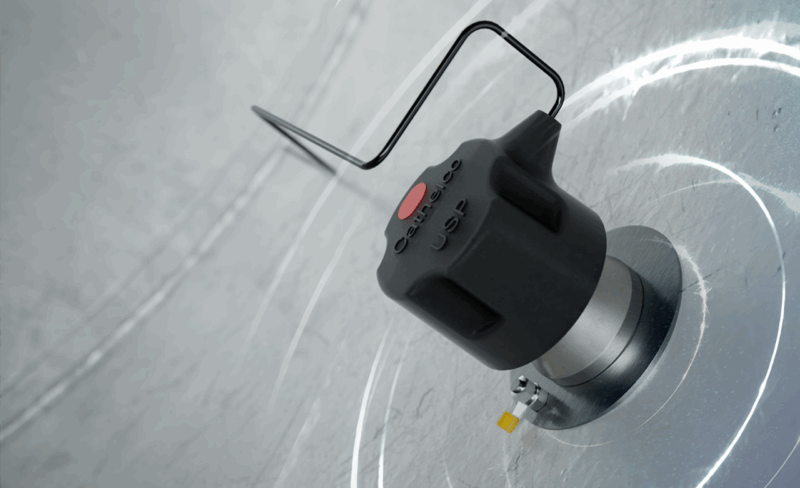
Cathelco enables wider hull-area protection with ultrasonic antifouling by waterproofing transducers for wet spaces
- Article
Ultrasonic antifouling for cruise ships and passenger vessels: Technology deep-dive
- Blog
The Biofouling Challenge: An Untapped Emissions Solution
- Article