Biofouling knowledge hub
Understand biofouling and what it means for your vessel. Practical guidance for your vessel type, trading region and operating profile.
ABOUT THE HUB
Practical knowledge, connected to your operations
Cathelco created this hub to help vessel owners, operators and technical teams make informed biofouling decisions.
It brings together research and insights from dozens of specialists, including experts advising on regulatory development. Use it as a crash course in the fundamentals or go straight to the guidance relevant to your vessel.
YOU’LL LEARN
- What drives biofouling and where it develops.
- How vessel design, trading waters and operating patterns affect exposure.
- What prevention, cleaning and monitoring methods can offer, and their limitations.
- How guidelines and regional requirements affect management decisions.
Find your vessel, know your exposure
Start with your vessel type to explore its biofouling risks, the influence of trading regions and operating patterns, and the management options that fit.
5 published profiles available.
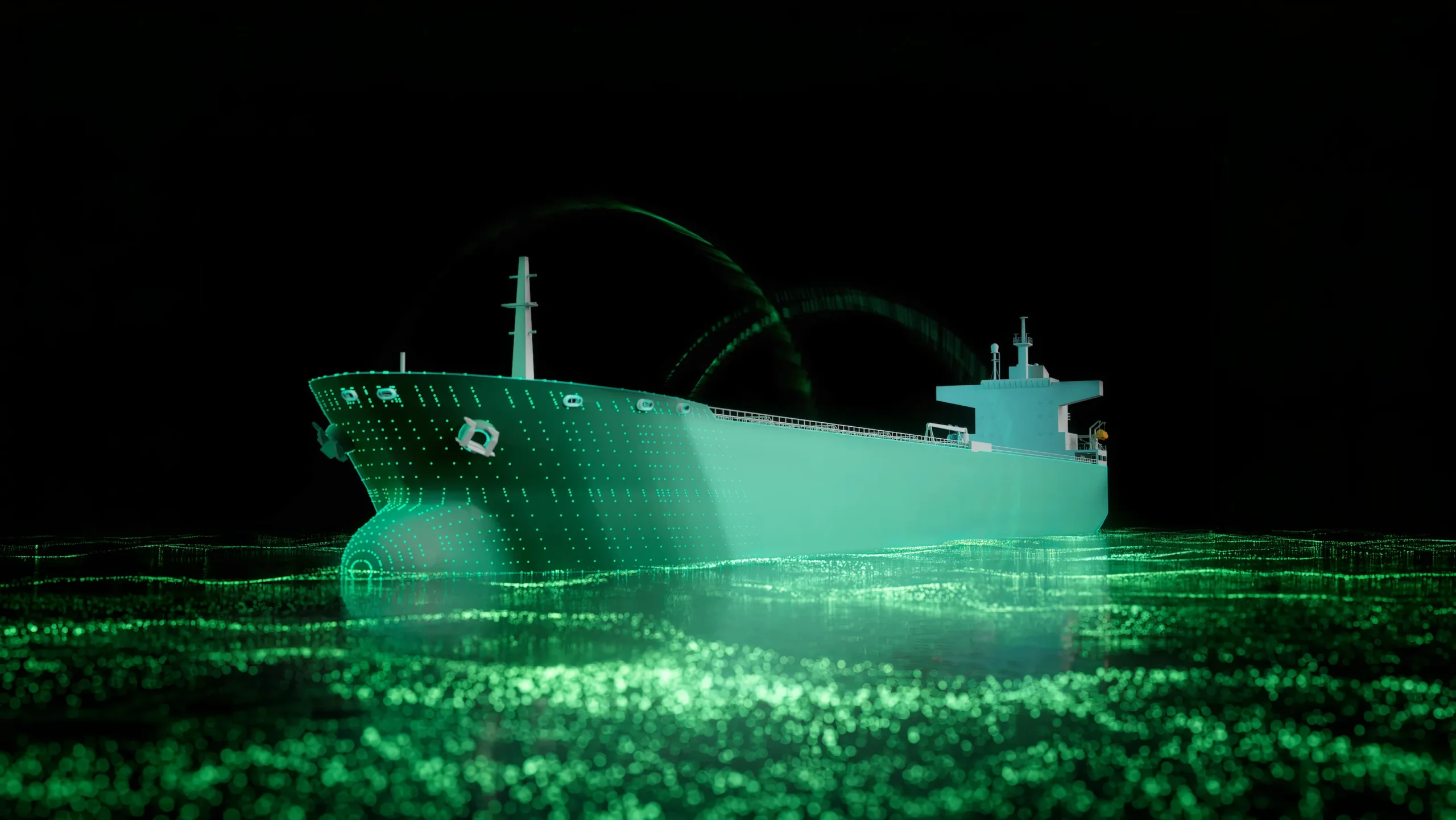
Tankers
VLCC, Suezmax and Aframax, extended anchorage in warm-water trades
View profile
Container ships
Fast turnaround, liner services, niche-area focus
View profile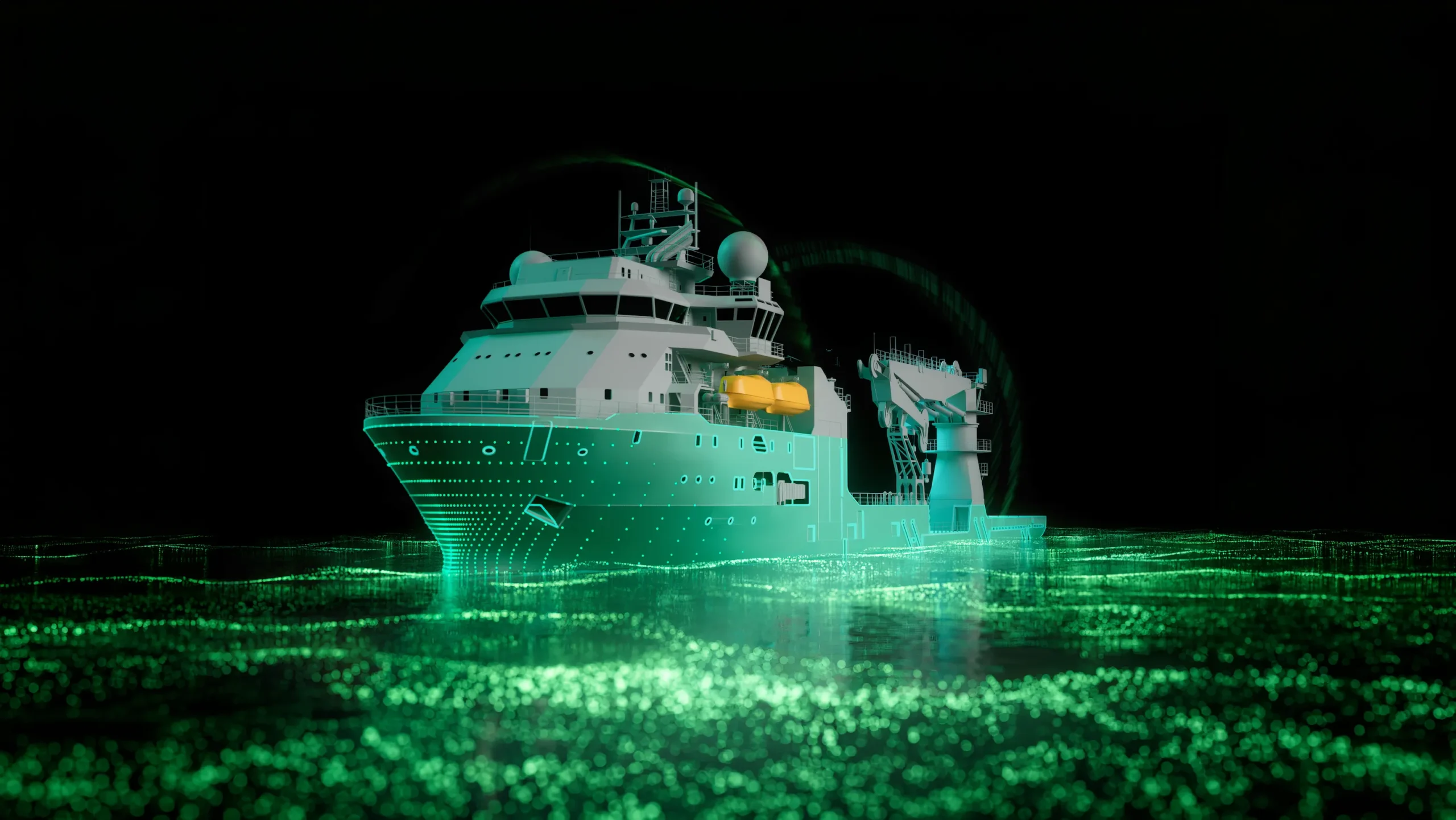
Offshore support & construction
Variable operations, DP work, seasonal patterns
View profile
Cruise ships
Complex hull geometry, tropical itineraries, reputation-sensitive
View profile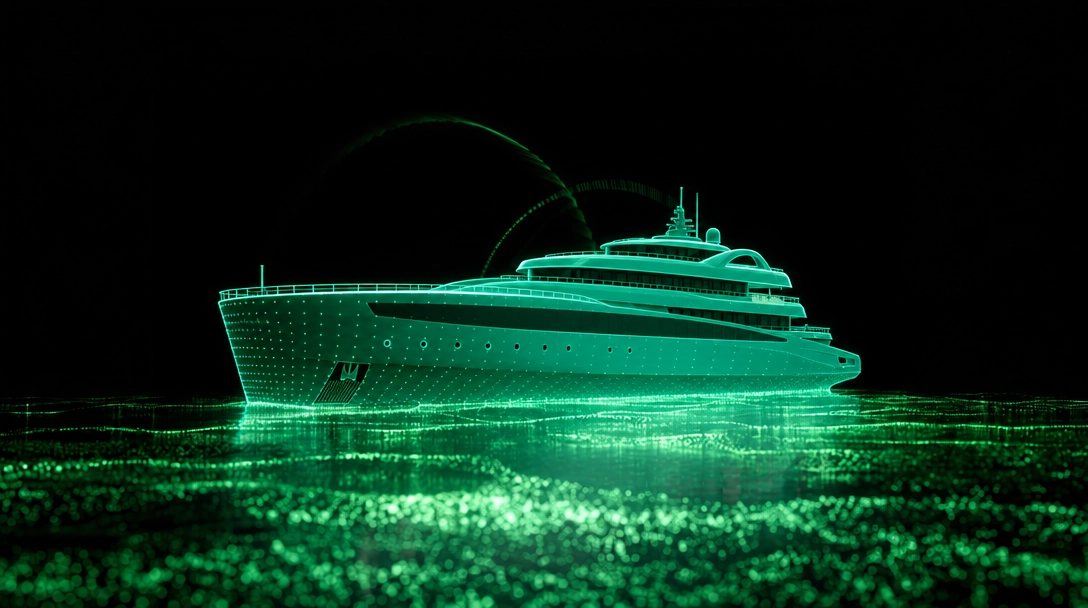
Superyachts
Extended marina stays, seasonal layup, warm-water cruising
View profileThere isn’t a published guide for this condition yet.
WHY IT MATTERS
Biofouling affects performance, operations and compliance
Biofouling is the build-up of organisms on submerged surfaces, from microscopic films and slime to algae, barnacles and mussels. Its effects reach beyond the hull.
Performance comes at a cost
Growth on hulls, underwater fittings and inside seawater systems can increase fuel use and impair equipment. It can also carry invasive species between ports.
Your operating profile matters
Trading waters, temperature, coating condition and time spent stationary shape exposure. Hulls and sheltered niche areas face different conditions, so management needs to reflect how your vessel actually operates.
Preparation starts now
The IMO is developing a legally binding biofouling instrument. Combine prevention, inspections, appropriate cleaning and records, allowing for local permissions, service availability and your vessel’s schedule.
“
“…the time to include biofouling management as a part of your ship’s everyday operation is already now.”
Dr Anita MäkinenFormer Chair, IMO Sub-Committee on Pollution Prevention and Response (PPR)Read the interview, July 2025
FURTHER READING
Learn about biofouling and what you can do about it
Build your understanding with selected Cathelco articles. Start with the basics or explore the questions most relevant to your operations.
01
What is biofouling and how does it develop?
Start with the organisms, growth stages and conditions that allow fouling to build up on a vessel. Read article
02
How do seasons and trading waters affect exposure?
Learn how temperature, region and seasonal changes influence fouling pressure throughout the year. Read article
03
Which antifouling options should you consider?
Compare coatings, hull cleaning and ultrasonic antifouling, including their strengths and trade-offs. Read article
04
How do you build a biofouling management plan?
Bring prevention, inspections, cleaning and record keeping together in a plan for your vessel. Read article
05
How does ultrasonic antifouling work?
Understand the technology, installation considerations and how it can complement other prevention methods. Read article
06
Why act on biofouling now?
Explore the connection between cleaner hulls, fuel use and emissions, and the case for a proactive approach. Read article
Biofouling in numbers
39%
of shipowners cannot reliably access in-water cleaning services where they trade.
GloFouling Partnerships, 2022
54 months
Hulls groomed weekly stayed fouling-free for 54 months. Ungroomed control hulls required seven separate reactive cleanings.
~9%
The IMO estimates ~9% of global shipping fuel use is attributable to biofouling, roughly 80 to 90 million tonnes of CO₂ a year.
~$30bn
Estimated annual cost of hull fouling to the global shipping industry, in fuel and maintenance.
Clean Shipping Coalition
20–25%
Rise in fuel use and GHG emissions from a slime layer just 0.5 mm thick across half the hull.
up to 55%
Emissions increase a container ship can see once light barnacle macrofouling takes hold.